Articles
Science-backed insights on personal growth, anxiety, sleep, and becoming the best version of yourself.

Why You Always Wake Up at 3 AM (And How to Stop)
That 3 AM wake-up isn't random. Here's the science behind middle-of-the-night insomnia and what actually helps you sleep through.

7 Signs You're an Overthinker (Not Just a Deep Thinker)
There's a line between thoughtful reflection and mental quicksand. Here are the signs you've crossed it — and how to find your way back.

The Sunday Scaries Are Real: A Psychologist-Backed Guide to Beating Them
That creeping dread every Sunday evening isn't weakness — it's anticipatory anxiety. Here's what's happening and how to reclaim your weekends.

How to Build a 5-Minute Morning Routine That Actually Sticks
Forget 2-hour miracle mornings. Here's how to build a tiny routine backed by habit science that you'll actually do every day.

Imposter Syndrome Isn't a Flaw — It's a Signal You're Growing
What if the voice saying "you don't belong here" is actually evidence that you do? A research-backed reframe of imposter syndrome.

Your Anxiety Isn't a Personality Trait — It's Your Nervous System Stuck in Survival Mode
That constant hum of anxiety isn't who you are. It's your nervous system locked in a survival state it can't switch off. Here's how to reset it.

Why You Can't Focus Anymore (It's Not ADHD — It's Your Dopamine System)
Your shrinking attention span isn't a disorder. It's your brain adapting to a world designed to hijack your dopamine system. Here's how to take it back.

The 4 Anxiety Archetypes: Why Your Stress Response Is Different From Everyone Else's
Not all anxiety is the same. Your nervous system has a signature stress pattern — and understanding it changes everything about how you find relief.

Cortisol Is Ruining Your Sleep, Skin, and Focus — Here's What Actually Lowers It (Not What TikTok Says)
The cortisol conversation is everywhere right now. Most of it is wrong. Here's what science actually says about managing your stress hormone.

Why You're Always Tired Even When You Sleep Enough (The Hidden Exhaustion Epidemic)
You're getting 7-8 hours. You're still exhausted. The problem isn't how much you sleep — it's what's happening while you're sleeping.

How to Stop Living in Your Head: A Neuroscientist's Guide to Getting Out of Survival Mode
Your brain has a network dedicated to rumination — and it's running nonstop. Here's the science behind getting out of your head and back into your body.

The Burnout Isn't From Working Too Hard — It's From Working Against Your Values
There are three types of burnout, and most people only know about one. The most damaging kind has nothing to do with workload.

Your Attachment Style Is Sabotaging Your Relationships — Here's How to Recognize the Pattern
The way you text, fight, and handle intimacy isn't random. It's wired into your attachment system — and it started long before your current relationship.

Financial Anxiety Is the Stress Nobody Talks About — Here's What It Does to Your Brain
Money stress doesn't just affect your bank account. It narrows your cognitive bandwidth, hijacks your nervous system, and traps you in scarcity mode.

The Real Reason You Procrastinate Has Nothing to Do with Laziness
Procrastination isn't a time management problem. It's an emotional regulation problem — and understanding that changes everything about how you fix it.

What Happens to Your Brain When You Meditate for 30 Days (The Neuroscience Is Wild)
A week-by-week breakdown of the neurological changes that happen when you start a daily meditation practice. Spoiler: your brain literally rewires itself.

9 Physical Symptoms of Anxiety You Might Be Mistaking for Something Else
Chest tightness, brain fog, digestive issues — anxiety doesn't just live in your head. Here are 9 physical symptoms that are actually your nervous system on high alert.

How to Actually Manifest What You Want (Without the Toxic Positivity)
Manifestation isn't magic — it's psychology. Here's the evidence-based approach to visualization that actually works, minus the wishful thinking.

The Loneliness Epidemic Is Worse Than You Think — And It's Rewiring Your Brain
Loneliness activates the same brain regions as physical pain. And chronic isolation is changing your neural circuitry in ways that make connection even harder.

Your Phone Is Literally Rewiring Your Brain for Anxiety — Here's the 60-Minute Fix
The notification-dopamine-cortisol loop is training your brain to stay anxious. Research says 60 minutes of daily phone-free time can reverse it.
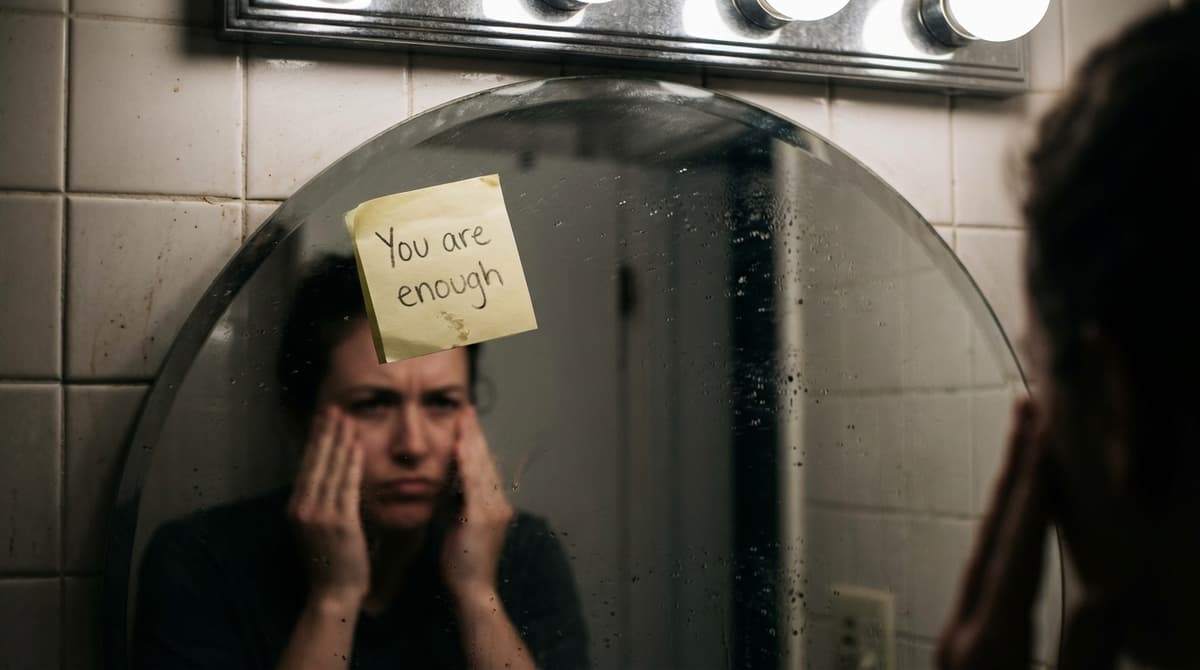
Why Positive Affirmations Don't Work for Most People (And What to Do Instead)
Repeating 'I am confident and successful' might actually be making your self-esteem worse. Here's what the research says about why affirmations backfire — and what to do instead.

The Science of 'Gut Feelings': Why Your Body Knows Things Your Brain Doesn't
That 'gut feeling' isn't mystical — it's your enteric nervous system processing information your conscious mind missed. Here's the science of interoception and why listening to your body leads to better decisions.

How Childhood Taught You to Be Anxious (And How to Unlearn It)
You don't need a dramatic backstory to carry childhood anxiety into adulthood. Everyday patterns — emotional neglect, inconsistent caregiving, perfectionist households — wire the nervous system for hypervigilance. Here's how to rewire it.

The Motivation Myth: Why Waiting to Feel Motivated Is the Worst Advice You'll Ever Follow
You don't need motivation to start. You need to start to feel motivated. Here's the behavioral science behind why action creates motivation — not the other way around.

Sleepmaxxing: What the TikTok Trend Gets Right, What It Gets Wrong, and a Better Protocol
The sleepmaxxing trend has millions stacking sleep interventions — from mouth taping to supplement cocktails. Here's what the science actually supports, what's overhyped, and a clean protocol that works.

The 369 Method: Does Tesla's 'Sacred Numbers' Manifestation Technique Actually Work?
The 369 method went mega-viral on TikTok, but is writing your desires 3, 6, and 9 times actually backed by science? We dig into the neuroscience of repetitive writing and what the research says about why parts of this technique genuinely work — and why the numerology is nonsense.

Lucky Girl Syndrome: Delusion, Privilege, or Legitimate Psychology?
Lucky Girl Syndrome took TikTok by storm — but is telling yourself "everything always works out for me" actually backed by psychology? The science of self-fulfilling prophecies, optimistic explanatory styles, and the dangerous blind spots nobody talks about.

Scripting Manifestation: Why Writing Your Future in Past Tense Rewires Your Brain
Scripting — writing about your desired future as if it already happened — is the second most popular manifestation technique on social media. Surprisingly, the neuroscience of expressive writing, future-self continuity, and narrative identity theory suggests it might actually work. Here\'s how.

The Pillow Method: Can You Actually Manifest While You Sleep?
The pillow method promises manifestation while you sleep — just write your desire, put it under your pillow, and let your subconscious do the work. The neuroscience of hypnagogia, theta waves, and sleep-dependent memory consolidation reveals why this simple technique has a surprising scientific basis.

Vision Boards Don\'t Work the Way You Think (The Neuroscience of Why Some Do)
Vision boards are either dismissed as wishful thinking or worshipped as manifestation magic. The neuroscience of the reticular activating system, goal priming, and process imagery reveals why most vision boards backfire — and how to build one that actually rewires your brain for action.

Your Subconscious Runs 95% of Your Life. Here's How to Actually Reprogram It.
The claim that your subconscious mind controls 95% of your behavior is everywhere — but is it true? We trace the science from Bargh's automaticity research to modern neuroplasticity, and break down the five evidence-based methods that actually change deep-rooted patterns.

Morning vs. Bedtime Affirmations: When Your Brain Is Most Receptive (And Why Timing Matters)
Does it matter when you do your affirmations? Neuroscience says yes — dramatically. Brain wave states, cortisol rhythms, and memory consolidation windows create two optimal windows. Here's how to use each one (and why the wrong timing wastes your effort).

Why Manifestation Isn't Working: The Shadow Work Nobody Talks About
You're visualizing, affirming, scripting — but nothing's changing. The problem might not be your technique. It might be what Carl Jung called your "shadow" — the unconscious beliefs and fears that silently override everything you consciously want.

Identity Shifting: The Science of Becoming Who You Want to Be (Not Just Wishing)
Neville Goddard said "assume the feeling of the wish fulfilled." Modern psychology calls it possible selves theory, self-perception, and identity-based behavioral change. Here's the science of actually changing who you are — not just who you pretend to be.

Your Brain Was Built for Scarcity. Here's How to Rewire It for Abundance.
Your brain evolved for a world of scarcity — constant threat detection, loss aversion, and zero-sum thinking kept your ancestors alive. But in the modern world, this survival programming creates financial anxiety, comparison spirals, and an inability to enjoy what you have. Here's how to rewire it.

How Olympic Athletes Use Visualization (And Why Your Brain Can't Tell the Difference)
Olympic athletes don't just train their bodies — they train their brains. Mental rehearsal activates the same neural pathways as physical practice, and research shows it can increase strength by 35% without moving a muscle. Here's the PETTLEP protocol used by elite performers.

Gratitude Journaling: The $0 Intervention With 35 Scientific Benefits (And 3 Mistakes That Ruin It)
A 2023 JAMA study linked gratitude to 9% lower mortality. But most people practice gratitude wrong — too generic, too frequent, or too forced. Here are the five evidence-based protocols that actually rewire your brain (and the three mistakes that make gratitude backfire).

Neville Goddard Was Right About One Thing: How "Living in the End" Actually Works (Psychologically)
Neville Goddard's 1940s teachings have exploded on TikTok and Reddit. His core technique — "living in the end" — sounds like magical thinking. But prospection theory, embodied cognition, and the "as-if" principle suggest Goddard stumbled onto real psychology decades before the research existed.

The Whisper Method: TikTok's Strangest Manifestation Trend Has a Surprising Scientific Basis
The whisper method — visualizing yourself whispering your desire into someone's ear — sounds absurd. But the neurology of auditory imagery, behavioral rehearsal, and the thin-slices effect suggests there's a real (non-telepathic) reason it sometimes works.

Quantum Manifestation Is (Mostly) Nonsense. Here's What Quantum Physics Actually Says About Consciousness.
Manifestation influencers love quantum physics — "the observer effect proves your thoughts create reality!" Except it doesn't. Here's what the observer effect actually means, why consciousness doesn't collapse wave functions, and why you don't need quantum physics to explain manifestation.

Moon Manifestation: Ritual, Placebo, or Circadian Science? What 40,000 Years of Lunar Practice Actually Does to Your Brain
Moon manifestation rituals — setting intentions at the new moon, releasing at the full moon — have been practiced for millennia. Science says the moon doesn't affect your energy. But the psychology of ritual, fresh starts, and commitment devices suggests these practices work for entirely different reasons.

The Gratitude Paradox: Why Being Thankful for What You Have Helps You Get What You Want
If you're grateful for what you have, won't you stop wanting more? The gratitude paradox confuses every manifestation community. But broaden-and-build theory, dopamine research, and a surprising finding — grateful people achieve 20% more of their goals — reveals why gratitude and desire aren't opposites.

How to Find and Rewire Your Limiting Beliefs (The 5 Your Brain Hides Best)
Limiting beliefs aren't the obvious ones ("I'm not good enough"). They're the invisible schemas that run beneath awareness — perfectionism disguised as standards, productivity disguised as worth, control disguised as safety. Here's how to surface and rewire the five beliefs your brain hides best.
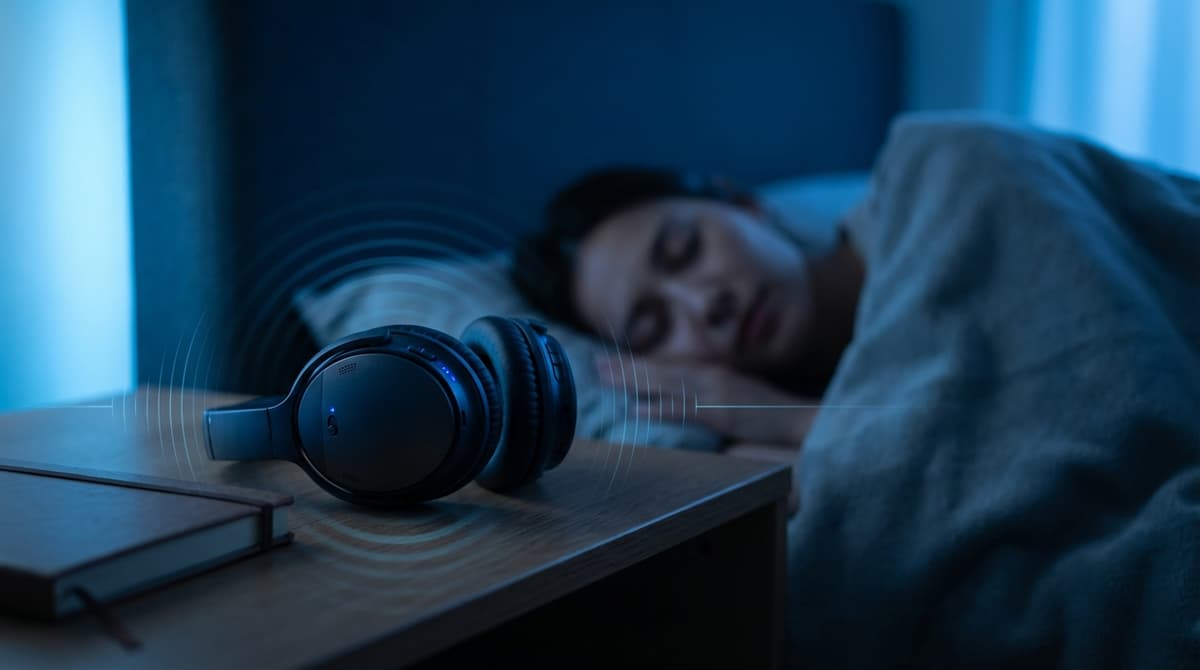
Subliminal Affirmations: What 60 Years of Research Actually Says About Messages You Can't Hear
Subliminal affirmation tracks have millions of YouTube views. Listeners claim they changed their eye color, attracted soulmates, and manifested wealth — all from audio they can't consciously hear. Here's what six decades of subliminal perception research actually shows (spoiler: it's complicated).

The Two Cup Method: Quantum Jumping Is Fiction, But the Ritual Still Works. Here's Why.
The two cup method — labeling two cups of water with your current and desired reality, then pouring one into the other — claims to use "quantum jumping" between dimensions. The physics is nonsense. But the psychology of symbolic ritual, embodied cognition, and intention-setting explains why it actually helps some people change.