Circadian Rhythm
Articles tagged with circadian rhythm
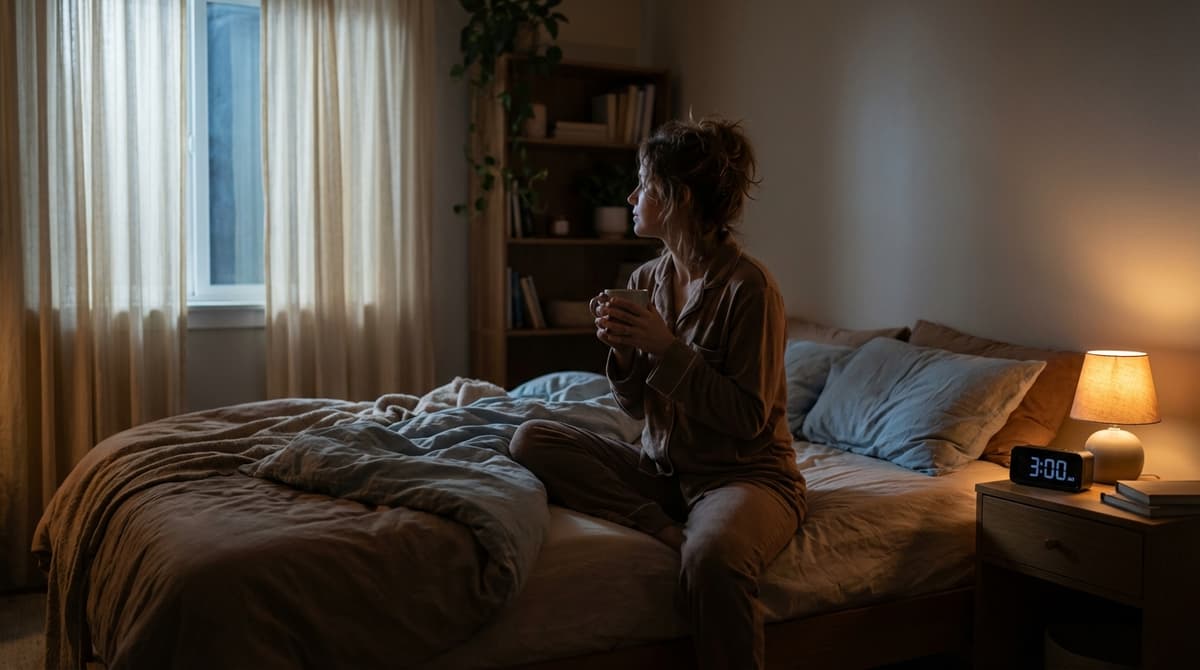
Why You Always Wake Up at 3 AM (And How to Stop)
That 3 AM wake-up isn't random. Here's the science behind middle-of-the-night insomnia and what actually helps you sleep through.
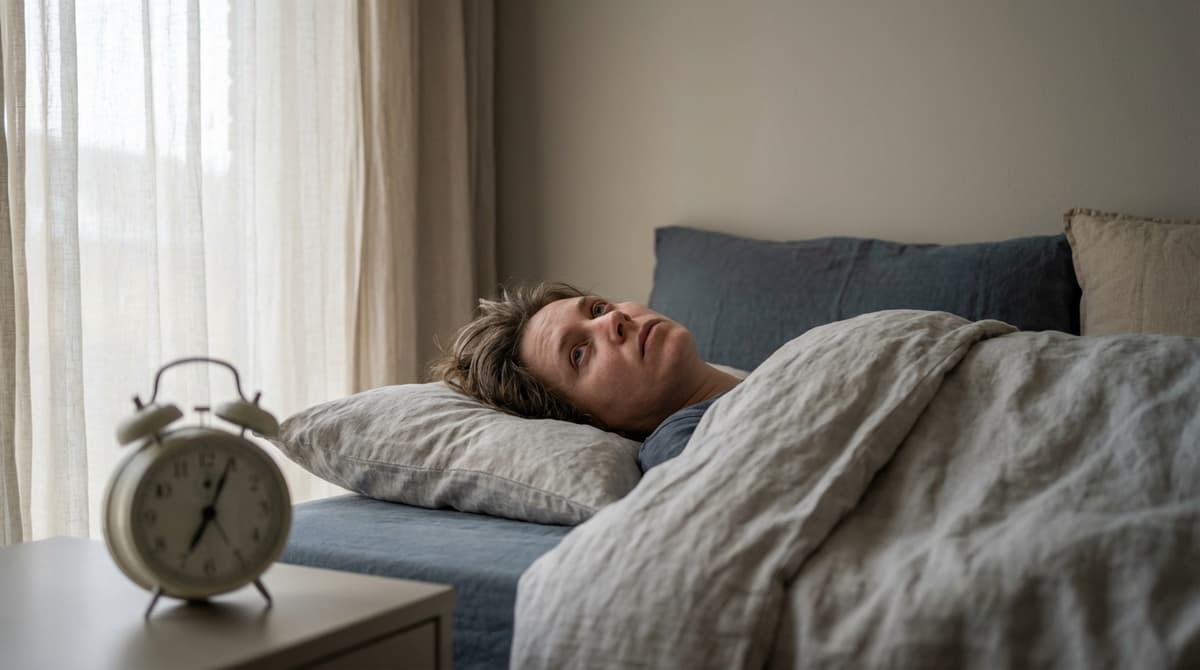
Why You're Always Tired Even When You Sleep Enough (The Hidden Exhaustion Epidemic)
You're getting 7-8 hours. You're still exhausted. The problem isn't how much you sleep — it's what's happening while you're sleeping.

Sleepmaxxing: What the TikTok Trend Gets Right, What It Gets Wrong, and a Better Protocol
The sleepmaxxing trend has millions stacking sleep interventions — from mouth taping to supplement cocktails. Here's what the science actually supports, what's overhyped, and a clean protocol that works.
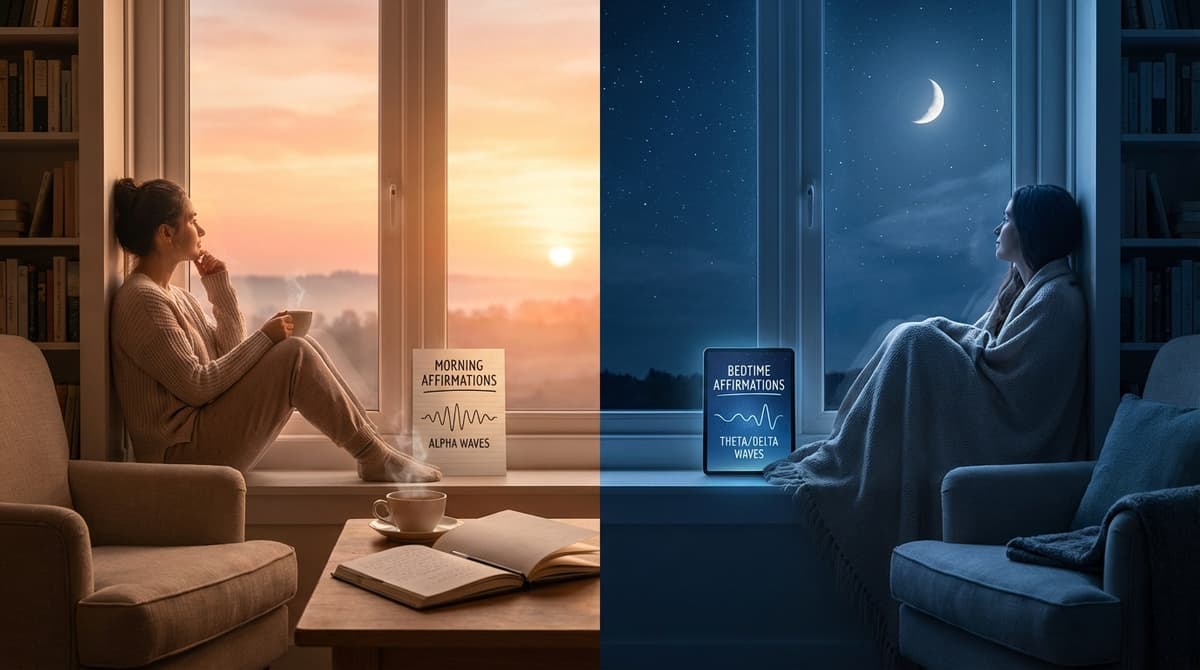
Morning vs. Bedtime Affirmations: When Your Brain Is Most Receptive (And Why Timing Matters)
Does it matter when you do your affirmations? Neuroscience says yes — dramatically. Brain wave states, cortisol rhythms, and memory consolidation windows create two optimal windows. Here's how to use each one (and why the wrong timing wastes your effort).
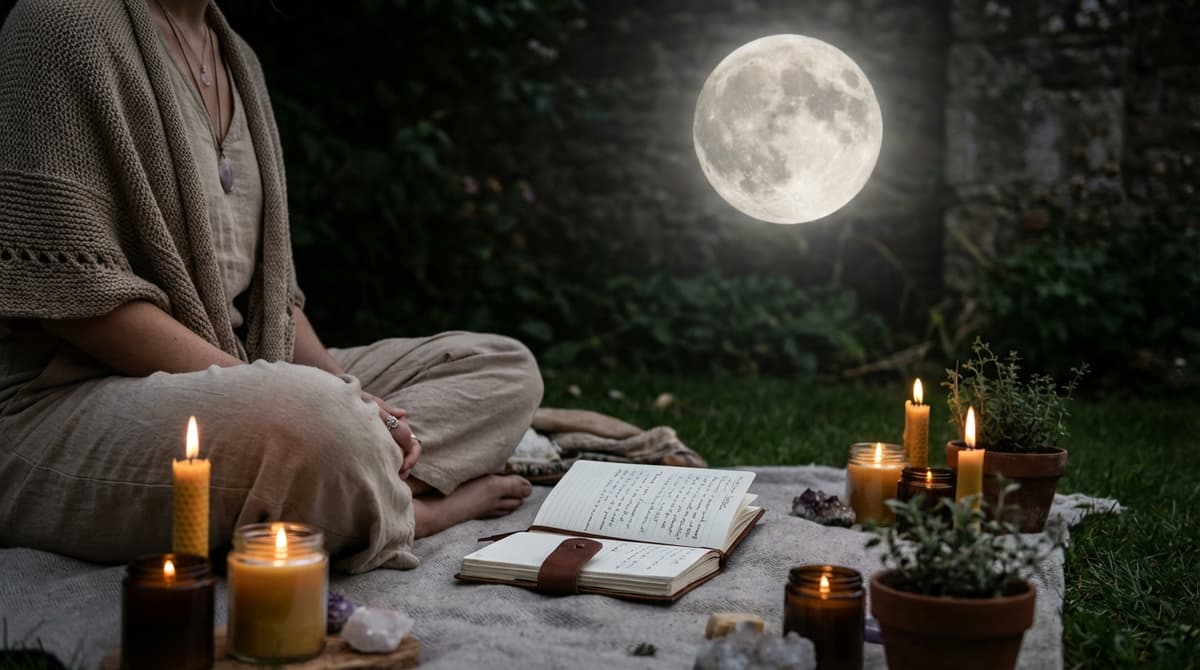
Moon Manifestation: Ritual, Placebo, or Circadian Science? What 40,000 Years of Lunar Practice Actually Does to Your Brain
Moon manifestation rituals — setting intentions at the new moon, releasing at the full moon — have been practiced for millennia. Science says the moon doesn't affect your energy. But the psychology of ritual, fresh starts, and commitment devices suggests these practices work for entirely different reasons.